
Blog
Health Consultation
Latest Insights into Weight Management, GLP-1 Breakthroughs, and Healthy Living
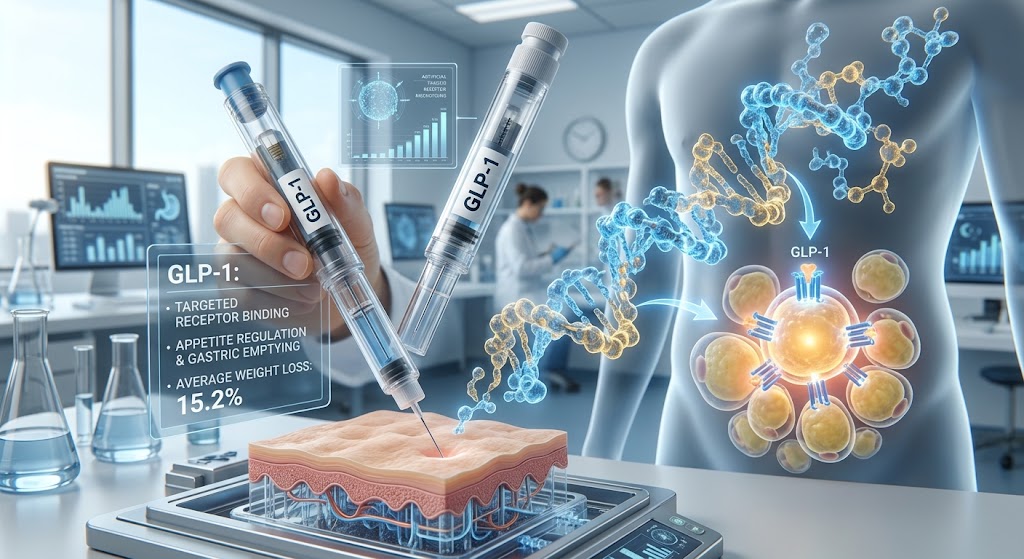
Source & Reference: Published in The New England Journal of Medicine (NEJM) Source URL: https://www.nejm.org/doi/full/10.1056/NEJMoa2307563 1. GLP-1 Receptor Agonists and Cardiovascular Outcomes in Obesity Management Long-term clinical evaluation demonstrates that modern pharmacological obesity interventions extend therapeutic benefits beyond simple weight loss, offering significant cardiovascular protection for overweight individuals without pre-existing diabetes. • Achieved an average weight reduction of 15% total body weight over a 68-week clinical trial period. • Demonstrated a 20% reduction in major adverse cardiovascular events (MACE) among non-diabetic obese participants. • Sustained metabolic improvements in systemic inflammatory markers including high-sensitivity C-reactive protein (hs-CRP). 2. Time-Restricted Eating Combined with High-Intensity Intermittent Exercise A clinical study investigating combined lifestyle protocols reveals that integrating time-restricted feeding with structured exercise yields superior visceral fat reduction compared to dietary restriction alone. • Combined intervention group lost 2.3x more visceral adipose tissue than the diet-only cohort. • Fasting insulin levels improved by 28%, significantly mitigating insulin resistance markers. • Adherence rate remained above 84% across a 12-week intervention trial, highlighting sustainable real-world application. 3. Gut Microbiome Composition as a Predictor of Weight Loss Success Metagenomic sequencing of human gut microbiota unveils distinct microbial signatures that determine individual metabolic responsiveness to dietary lifestyle interventions for obesity control. • Higher baseline abundance of Akkermansia muciniphila correlated with 30% faster weight loss response. • Dietary fiber enrichment increased short-chain fatty acid (SCFA) production, reducing metabolic endotoxemia by 42%. • Precision nutrition models based on gut profiling predicted caloric restriction outcomes with 88% accuracy.
Oct 8, 2026
Health Consultation
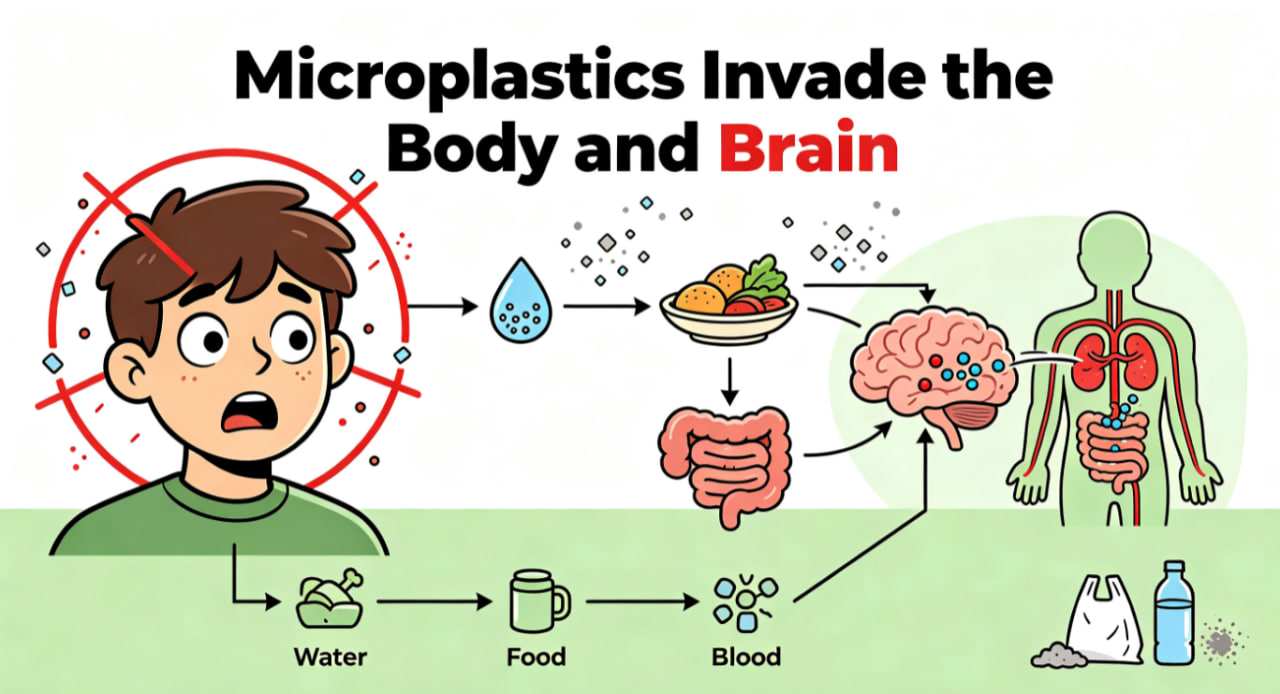
Microplastics Are Silently Infiltrating Your Body! From Brain Risks to Heart Attacks: The Hidden Health Crisis & Everyday Prevention Guide
Source & Reference: Published by Guangdong Center for Disease Control and Prevention (GDCDC) Source URL: https://cdcp.gd.gov.cn/jkjy/jkzt/hjyxxws/content/post_4721113.html 1. Microplastics: Ubiquitous "Environmental Fission Agents" Microplastics do not occur naturally. Public health analyses classify their environmental contamination into three primary channels. Microplastics (<5mm particles) have spread across water,soil,indoor dust,and can accumulate inside human organs. • Primary Microplastics (Direct Releases) Industrial spills,care‑product microbeads,washing synthetic fabrics,tire‑wear road dust. • Secondary Microplastics (Degraded Macro‑plastic) UV‑light breaking bottles/nets; heating food inside plastic containers; high‑temperature waste incineration produce nanoplastic particles. • Specialized Migration Pathways Air‑borne textile fibers; food‑chain bio‑accumulation Plankton→Fish→Human; municipal wastewater cannot fully filter micro‑particles. Source & Reference: Published in The New England Journal of Medicine (NEJM) Source URL: https://www.nejm.org/doi/full/10.1056/NEJMoa2309822 2‑1 Carotid Arterial Plaque & Cardiovascular Events 257 patients receiving carotid endarterectomy surgery,plaque tissue tested by mass‑spectrometry & electron microscopy to detect plastic particles. • Polyethylene detected in 58.4% patients; PVC found in 12.1% patients. • Micro‑plastic positive group: 4.53‑fold hazard ratio for heart‑attack,stroke or all‑cause‑death within 34‑month follow‑up. • Jagged plastic fragments activate IL‑6 / IL‑18 / TNF‑α inflammation,making arterial plaque prone to rupture. Source & Reference: Published via NIH / PMC Academic Repository Source URL: https://www.ncbi.nlm.nih.gov/pmc/articles/PMC11100893/ 2‑2 Blood‑Brain Barrier Penetration & Dementia Correlation Human autopsy frontal‑cortex tissue research. Ultra‑fine nanoplastics can cross blood‑brain barrier and build‑up inside central‑nervous‑system. • Brain samples from year‑2024 have 50% higher plastic concentration compared with 2016 autopsy samples. • Alzheimer‑disease patient brain tissue carries up to 10‑times plastic density vs healthy‑control brains. • Nanoplastics enter neuronal mitochondria and trigger local neuro‑inflammation response. Source & Reference: Published in Molecular Cancer Journal / Xinhua Science Report Source URL: https://molecular-cancer.biomedcentral.com/ 2‑3 Micro‑particles in Colorectal Tumor Tissue Xiangya Second‑Hospital research on human intestinal‑tumor biopsy samples,analyze micro‑plastic distribution and biological effects. • Micro‑plastics detected within 56.4% tumor‑biopsy specimens; higher density in cancerous zones than surrounding healthy tissue. • Over 76% particles <100μm,sharp irregular geometry mechanically damages mucosal‑cell membranes,causes chronic inflammation. • Mechanical injury raises ROS level,boost EMT biological‑pathway and facilitates tumor‑cell invasion & metastasis. Source & Reference: Published in Environmental Science & Technology Letters / People's Daily Health Source URL: https://pubs.acs.org/doi/10.1021/acs.estlett.4c00081 3 Practical Mitigation: Boiling Hard Water & Kitchenware Safety Evidence‑based public‑health daily‑life advice,to effectively reduce human micro‑plastic ingestion exposure risk. • Boil hard tap‑water: calcium‑carbonate limescale encapsulate 80‑84% micro/nano‑plastics. Filter precipitated scale out after boiling. • Plastic cutting‑board abrasion can shed up to 50‑gram micro‑plastic dust per‑year. Replace with bamboo / hardwood chopping‑boards. • Wear pure‑cotton garments; reduce synthetic‑fiber clothing, which releases large‑volume micro‑fibers during washing. • Prefer glass, ceramic and stainless‑steel tableware; minimize disposable plastic tableware. • Do not store acidic food inside plastic containers, acid accelerates plastic particle leaching. • Avoid microwaving food inside plastic containers; refrain pouring hot‑beverages into polyethylene‑lined disposable paper‑cups.
Sep 22, 2026
Health Consultation
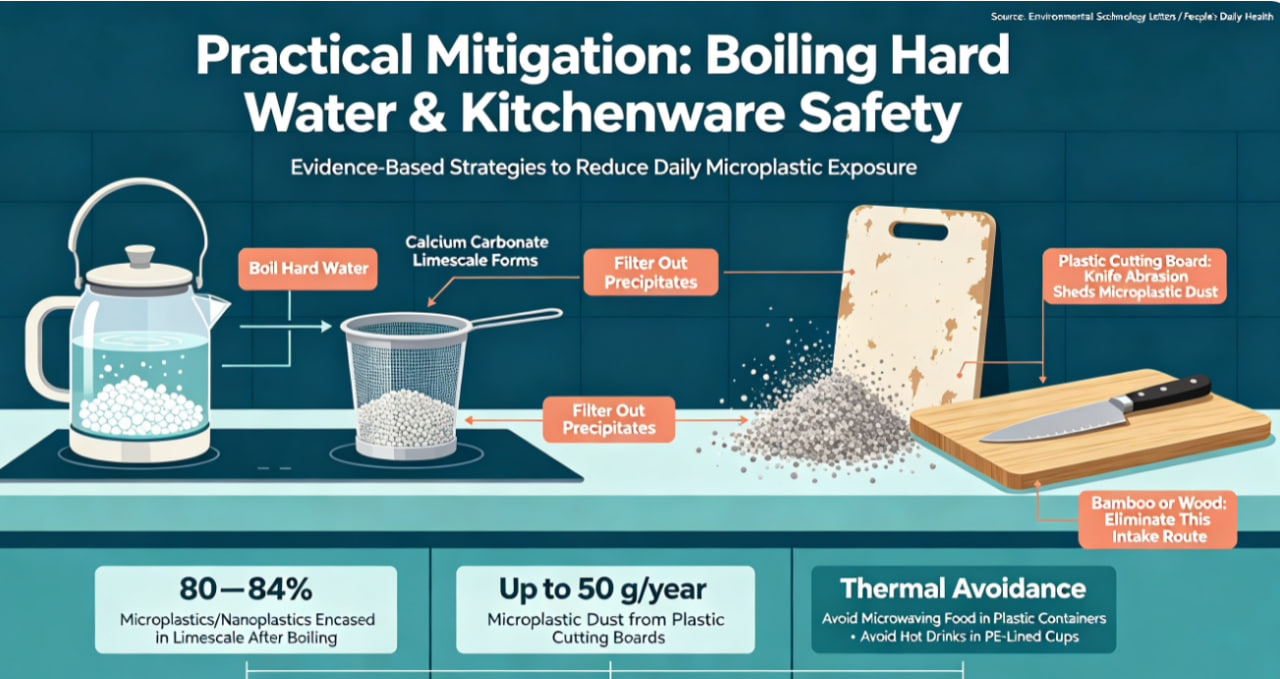
Practical Mitigation: Boiling Hard Water & Kitchenware Safety
Source & Reference: Published in Environmental Science & Technology Letters / People's Daily Health Source URL: https://pubs.acs.org/doi/10.1021/acs.estlett.4c00081 In response to ingestion risks, Chinese public health authorities and researchers published evidence‑based lifestyle intervention guidelines to significantly reduce daily exposure. Actionable Prevention Strategies: Boil and Filter Method: Research from Guangzhou Medical University showed that boiling mineral‑rich hard tap water encases up to 80–84% of microplastics/nanoplastics inside calcium carbonate limescale precipitates, which can then be easily filtered out. Kitchenware Substitution: Plastic cutting boards shed up to 50 grams of microplastic dust annually due to knife abrasion; switching to bamboo or wood eliminates this intake route. Thermal Avoidance: Avoid microwaving foods in plastic containers or drinking hot beverages from polyethylene‑lined paper cups.
Sep 22, 2026
Health Consultation
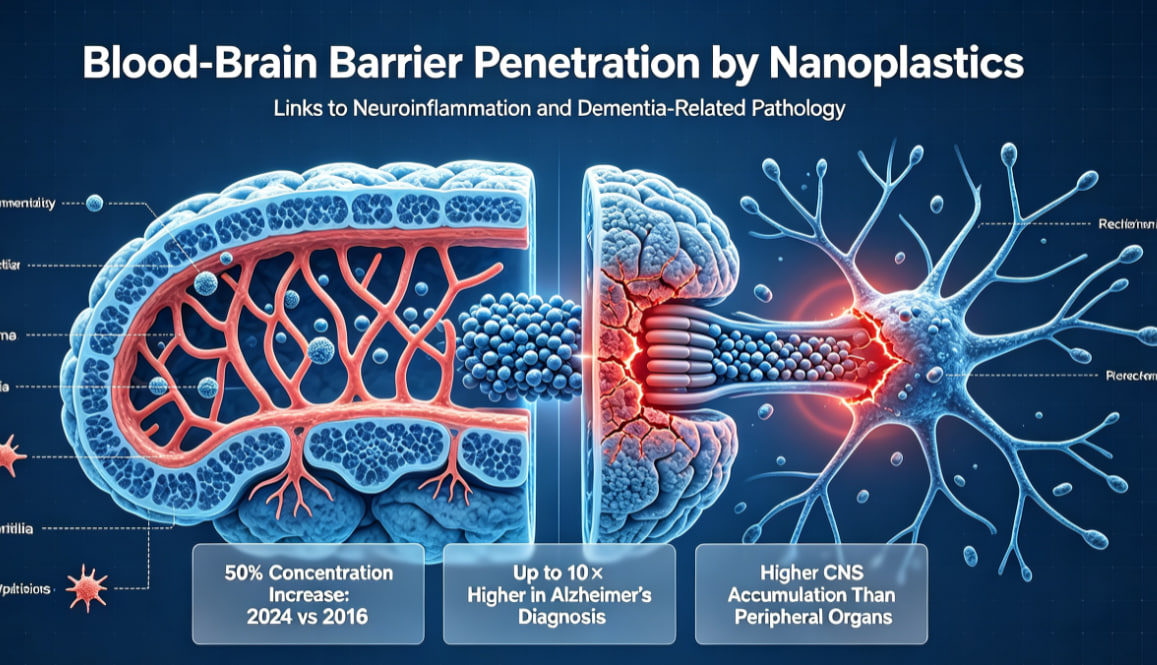
Blood-Brain Barrier Penetration & Dementia Correlation
Source & Reference: Published via National Institutes of Health (NIH) / PMC Academic Repository Source URL: https://www.ncbi.nlm.nih.gov/pmc/articles/PMC11100893/ Comprehensive human autopsy studies assessing brain frontal cortex tissue revealed that nanoplastics accumulate in the central nervous system at significantly higher rates than in peripheral visceral organs. Key Neurological Findings: Surge Over Time: Human brain autopsy samples collected in 2024 exhibited 50% higher concentrations of plastic particles by weight compared to autopsy samples from 2016. Dementia Association: Tissues from deceased patients clinically diagnosed with Alzheimer's disease contained up to 10 times higher plastic densities by weight than neurotypical control brains. Neurological Threat: Ultra‑fine nanoplastics breach the blood‑brain barrier (BBB), accumulating inside neuronal mitochondria and triggering localized neuroinflammation.
Sep 22, 2026
Health Consultation
"Microscopic Blades" Driving Colorectal Tumor Metastasis
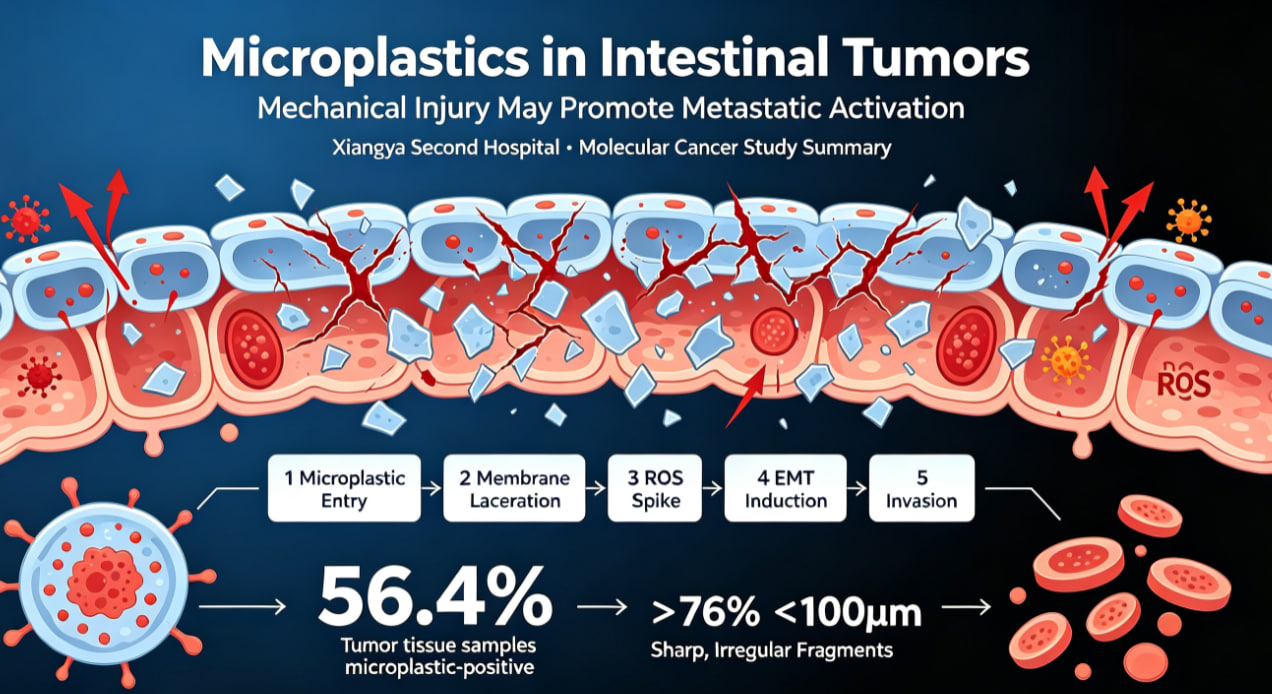
Source & Reference: Published in Molecular Cancer Journal / Xinhua Science Report Source URL: https://molecular-cancer.biomedcentral.com/ Oncology research from the Xiangya Second Hospital of Central South University detected high concentrations of microplastics in human intestinal tumor tissue biopsies. Key Oncological Findings: Tumor Biopsy Detection: Microplastics were identified in 56.4% of intestinal tumor tissue samples, showing higher density in cancerous regions than in adjacent healthy tissue. Physical Laceration ("Micro Blades"): Over 76% of detected particles were under 100μm with sharp, irregular geometries, mechanically slicing mucosal cell membranes and generating chronic inflammation. Metastatic Activation: Mechanical damage spikes Reactive Oxygen Species (ROS), accelerating Epithelial‑Mesenchymal Transition (EMT) and promoting tumor invasion.
Sep 22, 2026
Health Consultation
Microplastics in Carotid Arterial Plaque & Cardiovascular Events
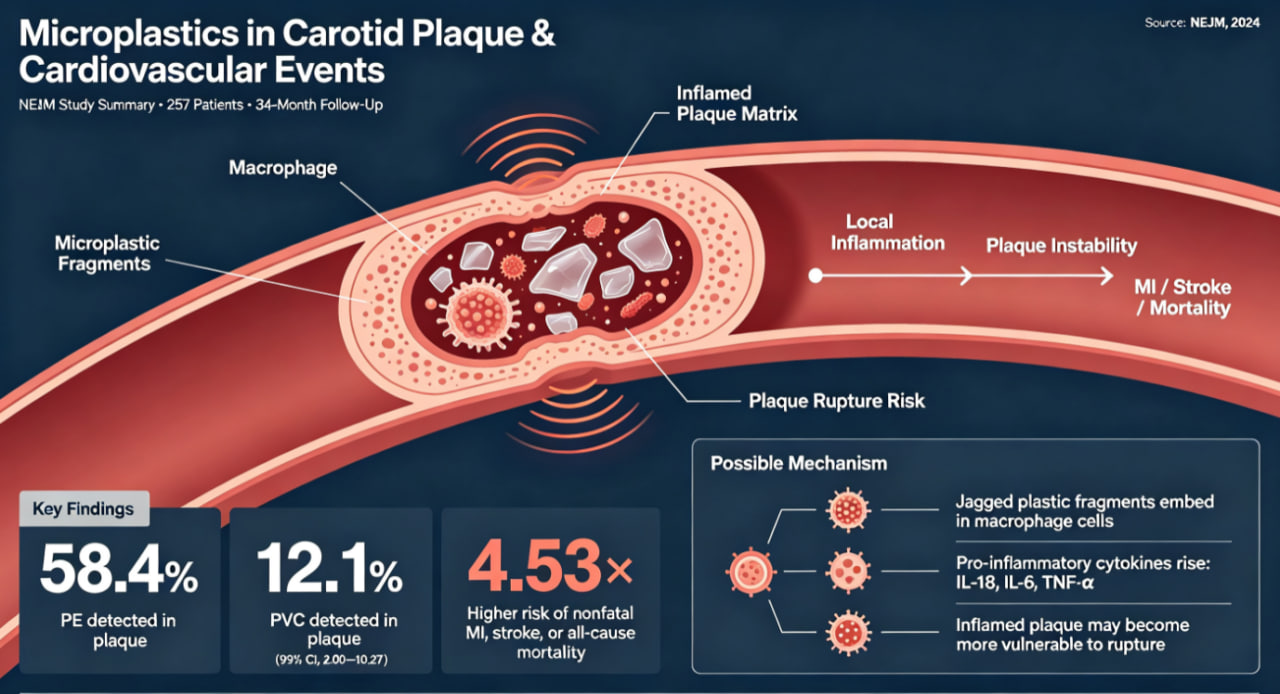
Source & Reference: Published in The New England Journal of Medicine (NEJM) Source URL: https://www.nejm.org/doi/full/10.1056/NEJMoa2309822 A landmark prospective study published in the New England Journal of Medicine examined 257 patients undergoing carotid endarterectomy. Using mass spectrometry and electron microscopy, researchers analyzed excised arterial plaque for Polyethylene (PE) and Polyvinyl Chloride (PVC). Key Clinical Findings: Prevalence in Tissue: Polyethylene was detected in 58.4% of patients (mean 21.7 μg/mg plaque), while Polyvinyl Chloride was found in 12.1% of patients. Elevated Clinical Mortality: Patients with microplastics in their carotid plaque faced a 4.53‑fold hazard ratio (95% CI, 2.00 to 10.27) for nonfatal myocardial infarction, stroke, or all‑cause mortality over a 34‑month follow‑up. Pathological Mechanism: Jagged plastic fragments embedded within macrophage cells inflamed plaque matrices, spiking pro‑inflammatory cytokines (IL‑18, IL‑6, TNF‑alpha) and predisposing plaques to rupture.
Sep 22, 2026
Health Consultation
Microplastics: The Invisible Environmental & Health Threat
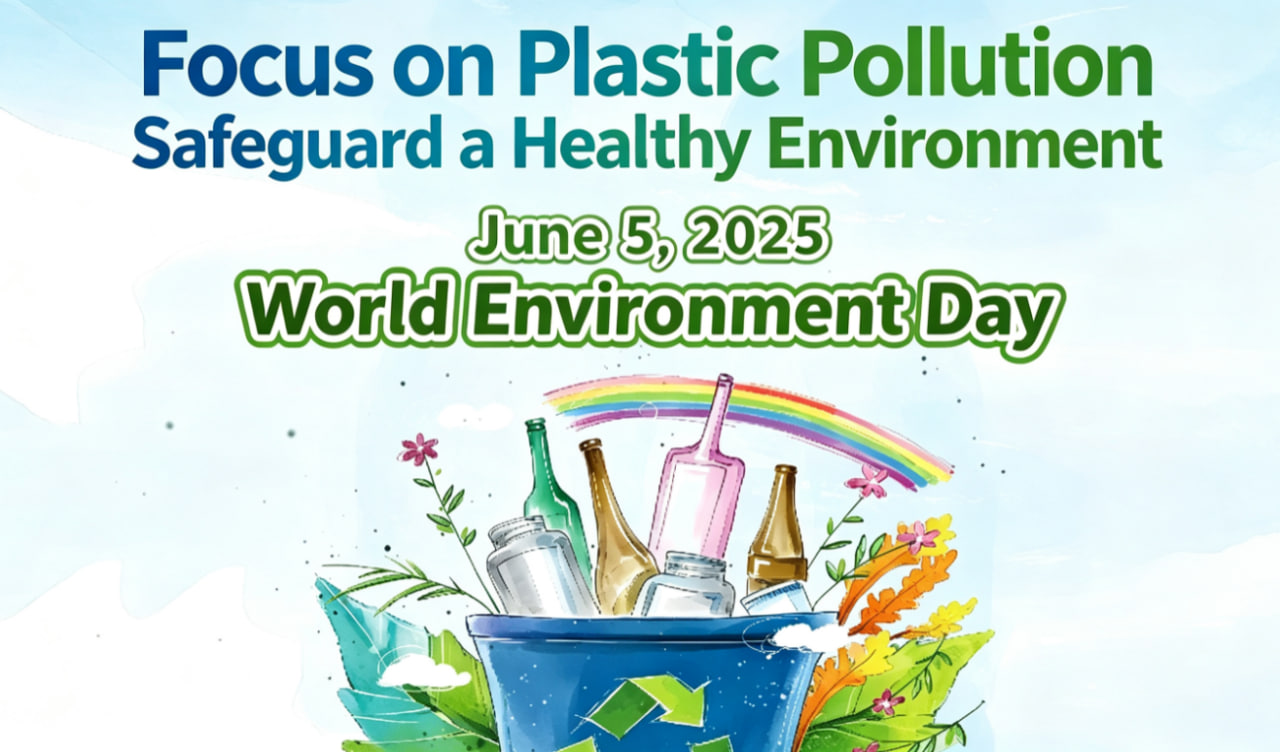
Source & Reference: Published by Guangdong Center for Disease Control and Prevention (GDCDC) Source URL: https://cdcp.gd.gov.cn/jkjy/jkzt/hjyxxws/content/post_4721113.html Public Health Focus • June 5 World Environment Day Under the theme "Focusing on Plastic Pollution, Safeguarding Environmental Health," microplastics (particles < 5mm) have permeated water bodies, soil, atmosphere, human blood, and breast milk. Recognized since 2004, these persistent particles act as hidden threats to global ecosystem and biological health. 1. Ubiquitous Sources & Migration Routes Primary Microplastics: Direct industrial raw material leaks, additive emissions, personal care products (microbeads), garment washing, tire wear, and consumable shedding. Secondary Microplastics: Physical degradation (UV‑induced PET bottle cracking, mechanical breakdown of abandoned fishing nets), thermochemical transformation (microwave heating, PP food container degradation, long‑term cold storage packaging breakdown), and incineration byproducts. Special Migration Paths: Atmospheric transport via synthetic clothing friction, bioaccumulation across the "Plankton → Fish → Human" food chain, and wastewater treatment discharge loops. 2. Ecological & Biological Hazards Solar Blockade & Oxygen Reduction: Low‑density floating particles block marine sunlight, impeding algal photosynthesis and suppressing aquatic oxygen output. Physical Ingestion Injury: Aquatic species ingest particle debris, causing digestive organ blockages, false satiety, and systemic energy depletion. Size‑Dependent Tissue Interaction: Particles larger than 5μm remain trapped in the gut causing enteritis, while particles larger than 0.2μm entering the lymphatic system are filtered by the spleen. Nanoplastic BBB Penetration: Sub‑micron nanoplastics exhibit escalated toxicity, capable of breaching the blood‑brain barrier (BBB) to enter brain tissue directly. Vector Toxicity: Microplastics readily adsorb bacteria, heavy metals, and persistent toxic chemicals, amplifying chemical accumulation along the human food chain. 3. Practical Mitigation & Lifestyle Strategies Single‑Use Reductions • Carry reusable utensil sets and water cups. • Opt for "No Cutlery" on food deliveries. • Use washable cotton towels over disposable face wipes. Home & Shopping Practices • Store food in glass/stainless steel containers. • Avoid microbead scrubs and toothpaste. • Regularly vacuum indoor spaces to reduce dust levels.
Sep 22, 2026
News
New Arrivals: Spring 2026 Catalog
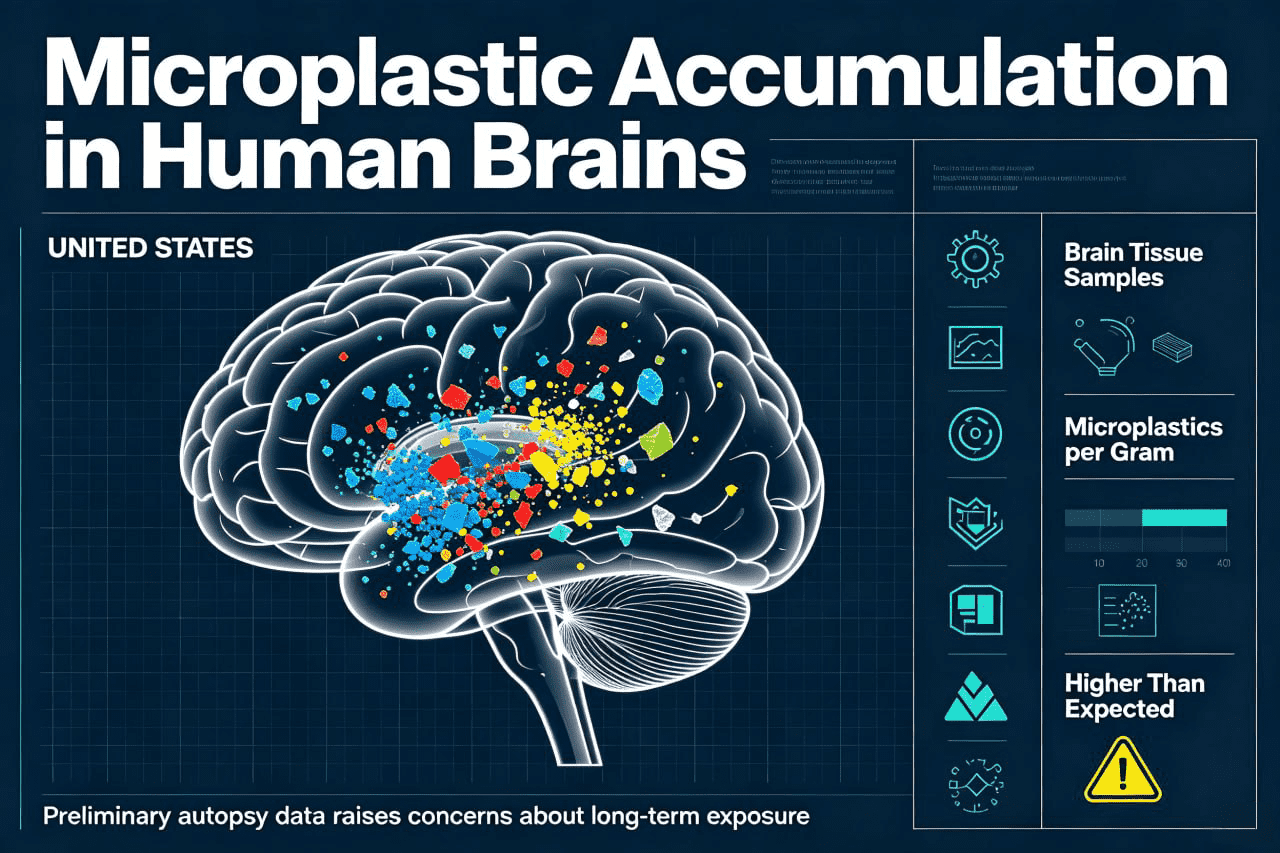
1. UNITED STATES: Autopsy Data Reveals Alarmingly High Microplastic Accumulation in Human Brains Publish Date: February 03, 2025 Primary Source: Nature Medicine / University of New Mexico Official URL: https://www.nature.com/nm/ Key Findings & Health Hazards Significant Brain Concentration: Researchers at the University of New Mexico analyzed tissue samples and discovered that human brain tissue accumulates substantially higher concentrations of nanoplastics than other vital organs, such as the liver or kidneys. Sharply Rising Levels: Brain samples collected in 2024 contained approximately 50% more microplastics by weight compared to samples collected just eight years prior in 2016. Link to Neurodegeneration: Tissue specimens from individuals who died with dementia contained significantly higher concentrations of polyethylene (PE) microplastics than non‑dementia controls, raising urgent questions regarding microplastic‑induced neuroinflammation. Recommended Prevention Steps Avoid microwaving or heating food in plastic containers to prevent thermal degradation and particle shedding. Transition from single‑use bottled water to stainless steel or glass drinking vessels. Utilize High‑Efficiency Particulate Air (HEPA) filtration systems indoors to capture airborne synthetic textile fibers.
Sep 18, 2026